

Importing goods involves more than simply moving cargo from one location to another. Every shipment must go through the appropriate customs procedures to ensure that the goods are properly documented, declared, inspected when required, and legally cleared for delivery. A smooth customs clearance process helps importers avoid unnecessary delays, additional costs, and documentation issues.
Whether you are importing food items, dry goods, chemicals, break bulk cargo, or other commercial goods, understanding the customs clearance process is essential for efficient logistics operations.
What Is Customs Clearance?
Customs clearance is the process of completing the necessary formalities with customs authorities before imported goods can be released for delivery. It generally involves submitting shipment documents, declaring the goods, verifying cargo information, paying applicable duties and taxes, and completing any required inspection or approval procedures.
A properly managed clearance process ensures that imported goods move through the required procedures efficiently and reach their intended destination without unnecessary complications.
Why Is Customs Clearance Important?
Customs clearance plays an important role in international trade and logistics. Incorrect information or missing documents can result in shipment delays, additional storage charges, inspections, or other complications.
Professional customs clearance assistance can help importers:
Common Documents Required for Customs Clearance
The exact documentation can vary depending on the type and origin of the shipment. Commonly required documents may include:
Having accurate and complete documentation before the shipment arrives can significantly improve the clearance process.
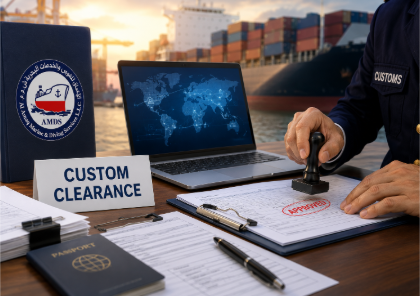
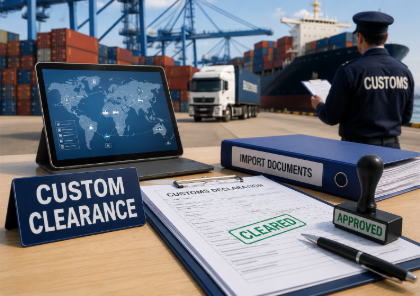
Customs Clearance Process
While requirements may differ depending on the cargo, a typical customs clearance process includes the following steps:
1. Document Preparation
The first step is to collect and verify all relevant shipment and commercial documents. Accurate information about the importer, exporter, cargo description, quantity, value, and origin is important.
2. Cargo Declaration
The shipment details are submitted to customs through the appropriate declaration process. The information provided must accurately represent the goods being imported.
3. Document Verification
Customs authorities may review the submitted documents and shipment information to confirm compliance with applicable requirements.
4. Cargo Inspection
Depending on the shipment and applicable procedures, customs authorities may require physical inspection or additional verification of the goods.
5. Payment of Applicable Charges
Any applicable customs duties, taxes, fees, or other charges must be settled before the shipment can be released, where required.
6. Cargo Release
Once the required procedures have been completed and the shipment has received clearance, the goods can be released for transportation to their final destination.
Customs Clearance for Different Types of Goods
Different cargo types may require different handling and documentation considerations.
Food and Perishable Goods: These shipments may require special handling, temperature-controlled transportation, and relevant approvals or certificates.
Dry Goods: Proper documentation and accurate cargo descriptions are essential for smooth clearance and transportation.
Chemicals: Chemical shipments may be subject to additional safety, documentation, packaging, and regulatory requirements depending on the nature of the products.
Break Bulk Cargo: Large, heavy, or individually handled cargo may require careful coordination between customs clearance, transportation, loading, and unloading operations.
How Professional Customs Clearance Assistance Helps
Managing customs procedures without proper knowledge can be time-consuming and may increase the risk of errors. Professional customs clearance assistance provides importers with support throughout the documentation and clearance process.
At Al Amaq Marine & Diving Services LLC, we assist with customs clearance requirements for different types of imported goods. Our approach focuses on accurate documentation, efficient coordination, and smooth movement of cargo from clearance to transportation.
Tips for a Smooth Customs Clearance Process
Importers can take several steps to reduce potential delays:
- Prepare documents before the shipment arrives.
- Ensure cargo descriptions are accurate and consistent across documents.
- Verify quantities, values, and product details.
- Check whether special permits or certificates are required.
- Keep customs-related information updated.
- Work with experienced logistics and customs professionals.
- Coordinate customs clearance and transportation in advance.
Customs clearance is a critical part of the import process. Proper documentation, accurate declarations, timely coordination, and knowledge of applicable requirements can help ensure that cargo moves through customs efficiently.
From food items and dry goods to chemicals and break bulk cargo, having reliable customs clearance support can make the import process more organized and convenient.
Al Amaq Marine & Diving Services LLC provides customs clearance and logistics support designed to help importers manage their cargo efficiently—from customs procedures to transportation and final delivery.
